15th of March 2025
It's been a couple of weeks since I last made a blog entry, and that's primarily for 2 reasons.
1: The fringe festival has made my life absolutely hectic, and
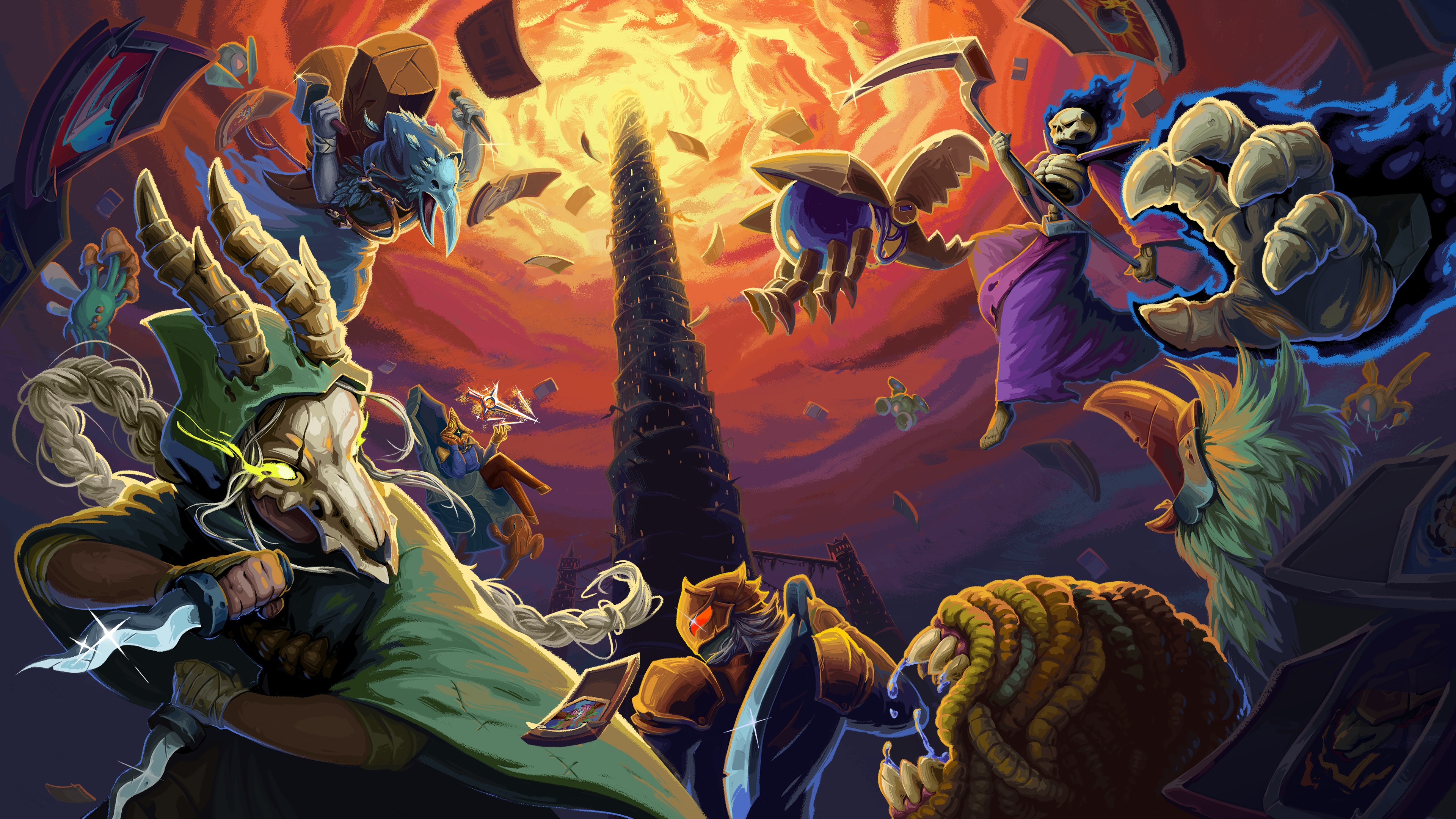
2: Slay the Spire 2 released into early access.
I knew that it was both going to be good, and also have some early access quirks, but oh boy, it has been a heck of a lot of fun so far. Given that this has become my recent obsession, I thought I would go into a bit of a breakdown comparing the design choices between 1, 2, and the board game in between, particularly as pertains to multiplayer.
Slay the Spire 1 did not have multiplayer in the base game, although mods did exist to add this. I did not play with these mods very often (maybe once or twice) so I can't really speak to that experience. However, when the board game released I was blown away. The work that was done to make the board game simpler (for the maths/effects that needed to be managed physically), while still retaining core elements of the game AND adding in multiplayer is incredibly impressive. Although some mechanics from the original game didn't survive in their exact same form (see claw, wrath, mantra), however the changes still keep the CORE mechanic. Take the watchers Mantra for example. Instead of ticking up to 10 and allowing you to enter divinity, your Miracle cards and Mantra are conflated into the same set of counters. Cards gain you these counters (to a max of 5) and they can be spent to gain 1 energy. Cards which previously gave you mantra now give you these counters, and many of the payoffs for gaining mantra trigger based on how many counters you currently have. This significantly simplifies tracking mantra, as you only need to check the number of counters you currently have.
Slay the Spire 2 has further streamlined several elements of the game. I have the impression (even more than before) that the Ironclad has a focus and synergies around vulnerable, while the Silent has a focus and synergies built around weakening enemies. Not only this, but it feels like there are more cards that fill out the space between what was previously distinct builds for each class. For example, the Silent has a new card that grants you shivs when discarded, helping to bridge the gap between a "shiv" build and a "discard" build.
The multiplayer of STS2 has several differences with the multiplayer that is present in the board game. while in the board game each player has a "row" of enemies they each have to deal with, multiplayer in STS2 instead has the same single "row" of enemies in front of ALL players. Although I can understand why this choice was made (simpler to programme, limited screen space), it loses a lot of the interest that was present in the board game. With multiple rows, players have to work out which individual player needs help that turn, based on their enemies and what is happening. A player whose row is just buffing can assist another player in blocking or otherwise dealing with their row. Occasionally a high priority target appears that ALL players must focus together, regardless of what else is in front of them. Deficits from one player (e.g., an inability to block well) can be made up for by other players by which enemies they choose to target. By setting up a single row of enemies so that all players are receiving the same damage/effects, this targeting priority is lost, and so is a lot of the cooperative nuance that is present in the board game.
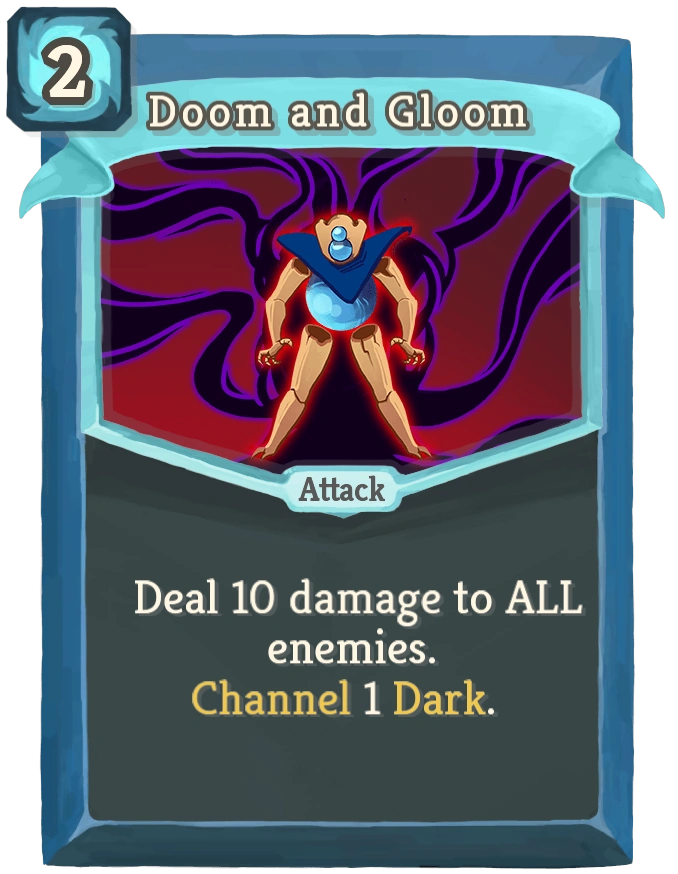
However, it's not all doom and gloom. In fact, one thing I think the new STS2 multiplayer exceeds at over the board game is multiplayer specific cards. On my very first play through I was delighted to discover a card that allows all players to draw 2 cards. Between this, cards that allowed me to give block to others and putting card draw into their decks, I became the team support, providing all the card draw my allies needed to just throw their damage every turn. This kind of archetype never felt like it was truly present in the board game. Despite the targeting priorities and row differences I discussed earlier, there was very limited ability to do things with and for each other outside of applying debuffs to specific enemies to assist an ally. This is an excellent edition, so much so that I am tempted to print some custom "multiplayer" cards for the board game in order to recreate the feeling present in the STS 2 multiplayer.
All this being said, I'm having an absolute blast with Slay the Spire 2 right now, and am even playing another round of the board game this coming week. I think there are some kinks to be ironed out, particularly in the balance (particularly in multiplayer) but I'm excited to see the bright future that Megacrit is leading us towards.